
VoyageLA
October 19th, 2026
Im thrilled to be featured in VoyageLA Magazine’s rising stars series! Take a peek at the full interview where I share how my love of movement has lead me to become a Pediatric Physical Therapist!
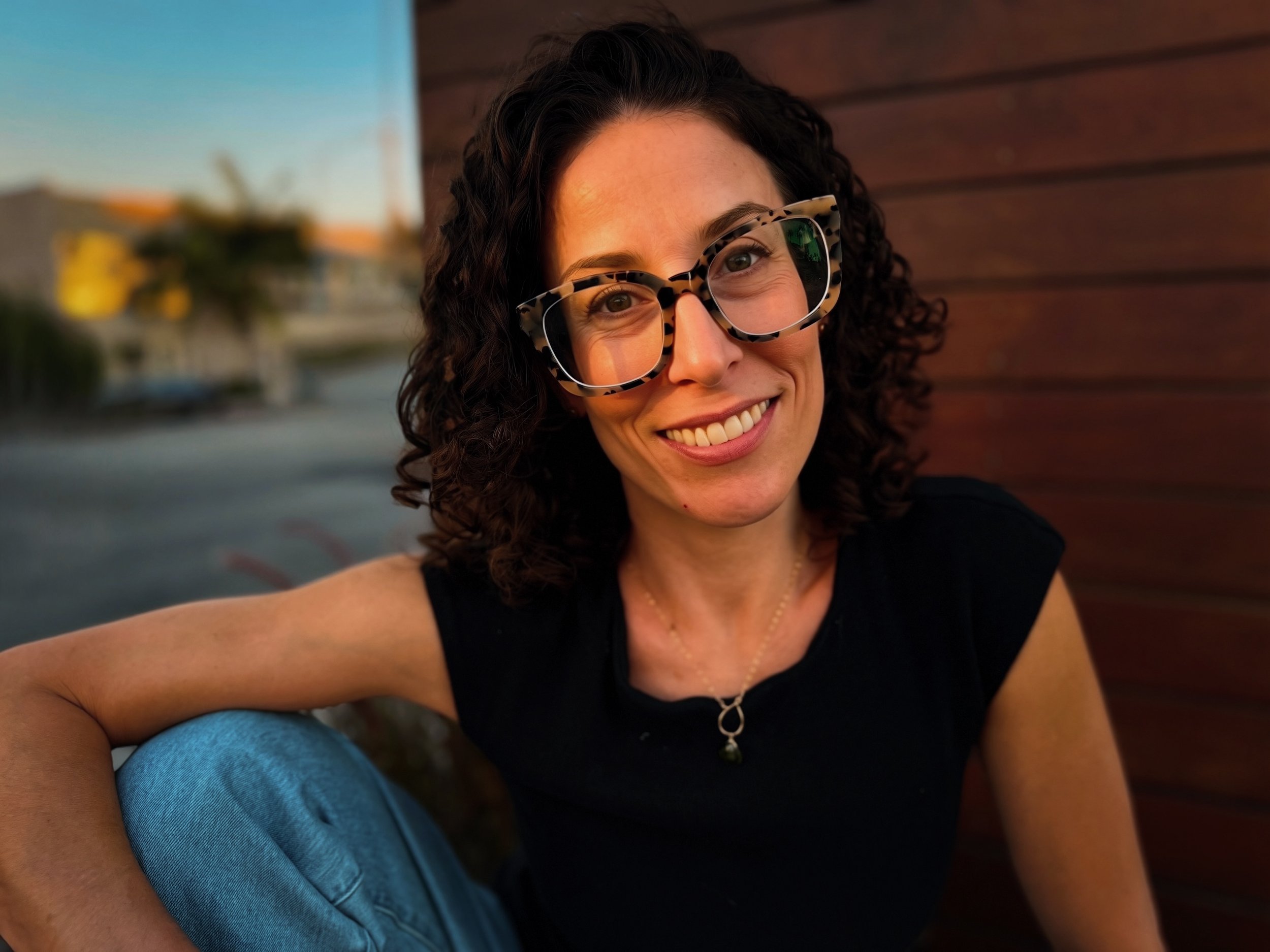
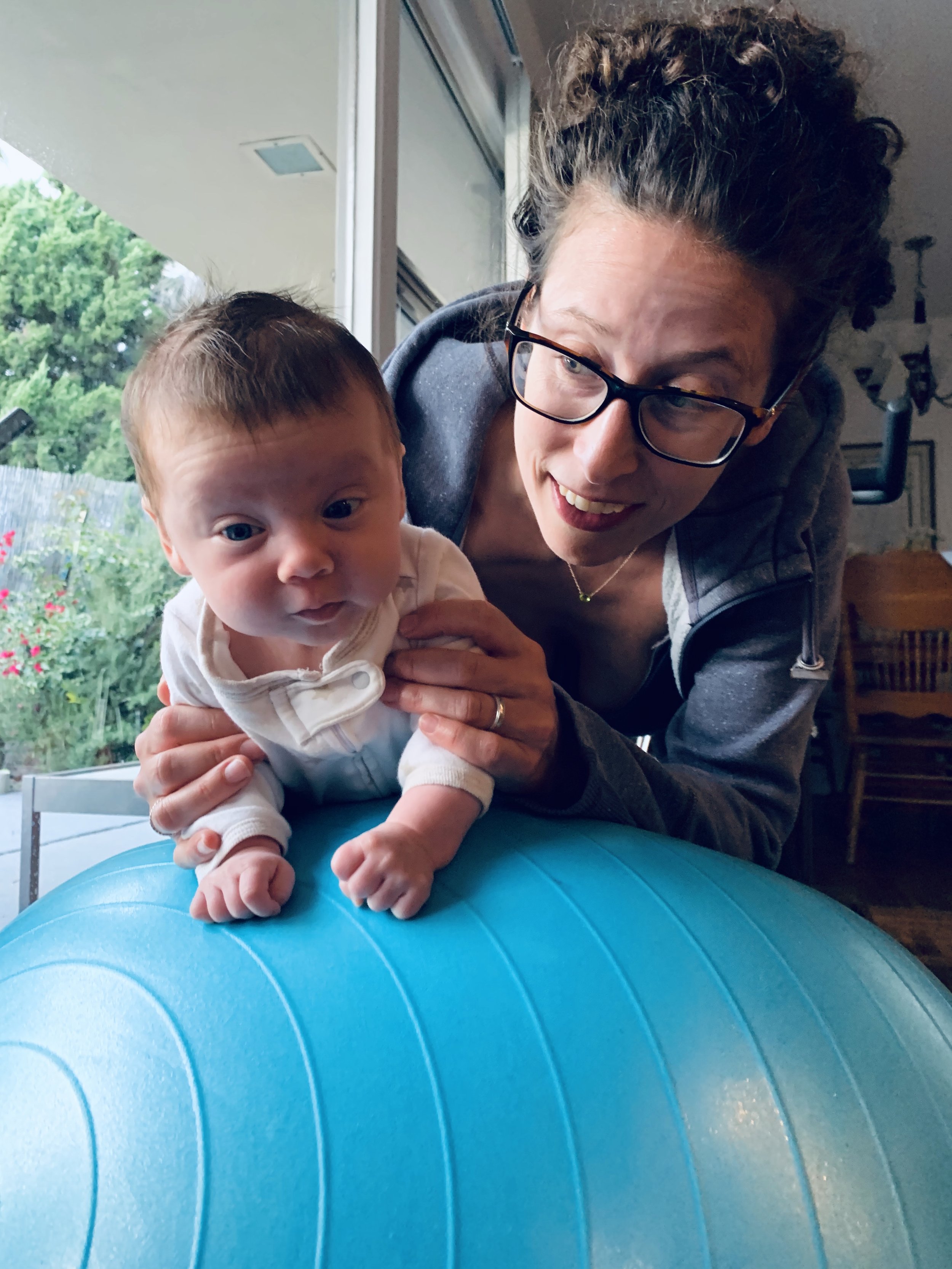
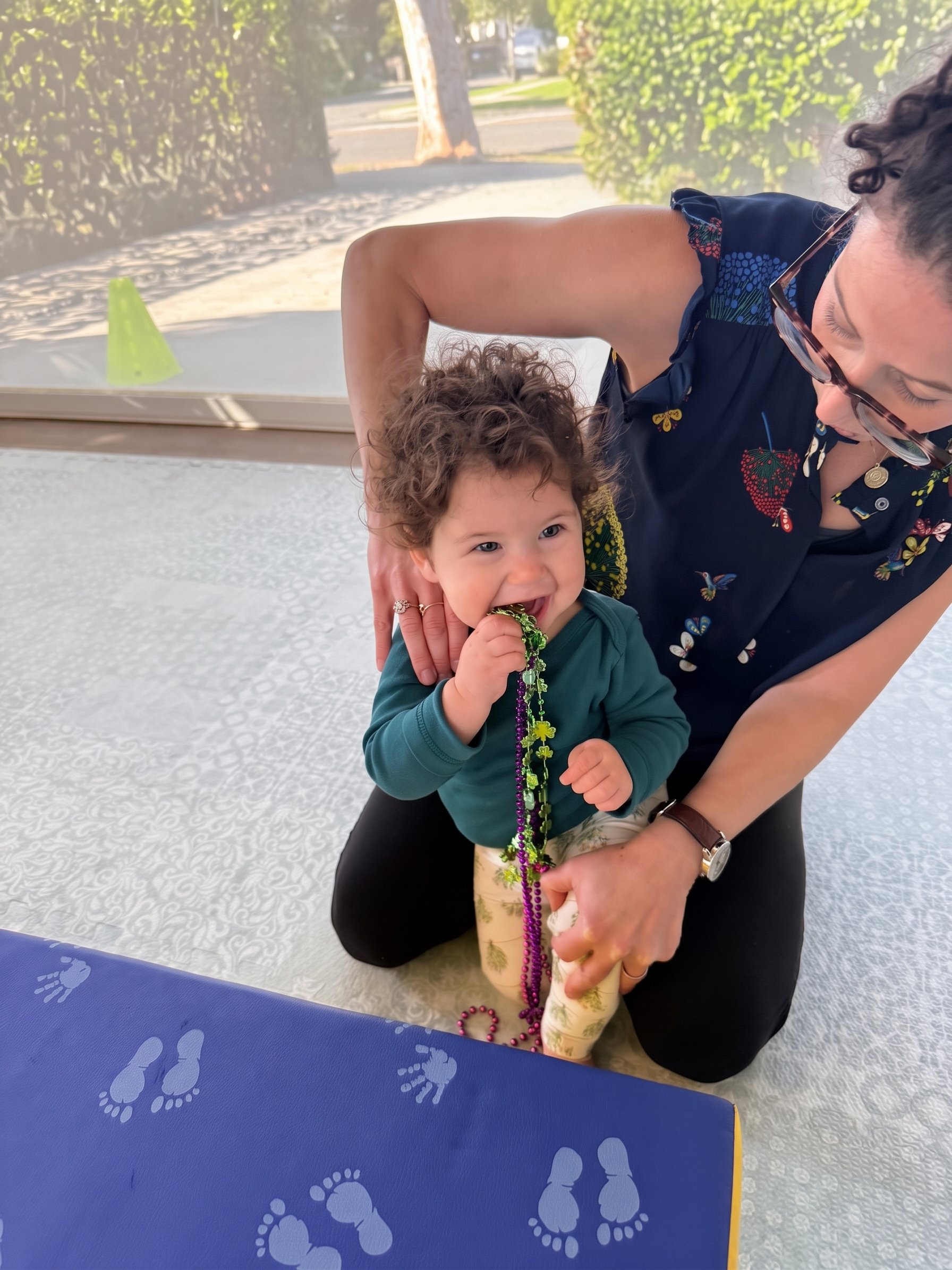
Today we’d like to introduce you to Juliana Plank PT, DPT. Hi Juliana, so excited to have you with us today. What can you tell us about your story? I’ve loved to move for as long as I can remember. My earliest memories are of dancing around the living room with my family after dinner. That love of movement made me curious about how the body works and heals, which led me first to become a yoga teacher, and then to take a leap and become a physical therapist. For eight years I worked with adults, babies, and children. Working with babies and adults simultaneously helped me to understand how postures and repeated movements cause wear and tear and also how they can promote new pathways for healing. When the pandemic began, I was finishing my maternity leave, and going back to my previous job didn’t make sense for my family. So I built a private practice focused on babies and children, and I haven’t looked back. Early intervention combines everything I care about: development, parenting, and movement. Can you talk to us a bit about the challenges and lessons you’ve learned along the way. Looking back would you say it’s been easy or smooth in retrospect? Challenges have certainly caused me to grow far out of my comfort zone. After I went back to work following the birth of my first child, I was at work when I received a video from our babysitter of my son crawling for the first time. It was a bittersweet and tearful moment. I was excited for him and also sad that I wasn’t there for it. That experience changed how I practice. I know what it’s like to be a parent who is pulled in more directions than it’s possible to go, who misses things, and who sometimes feels guilty about it. I try to meet parents where they are. I encourage parents to find simple ways to build movement and play into everyday routines, so that they can connect in the moments they do have. I understand some parents want to be hands-on in every session, and others need more space to let their child experience movement individually. Being a mother made me better at supporting parents as well as babies. As you know, we’re big fans of you and your work. For our readers who might not be as familiar what can you tell them about what you do? I’m a pediatric physical therapist working with babies, children, and their parents. I’m lucky to meet many babies right after they come home from the NICU or a hospital stay. Prematurity adds a whole extra layer to a baby’s development and to their family’s life, and I love supporting families through that stretch. It’s an honor to work with babies who have complicated medical pictures, visual impairments, asymmetrical movement, and neurological challenges, and a joy to work with babies who have torticollis, delayed milestones, and structural anomalies. I’m certified in Dynamic Movement Intervention, levels A, B, and C. DMI is an approach that challenges children to experience their bodies in new ways so they build new movement patterns. I have additional training in torticollis and movement facilitation for the first year of life. Working with adults also taught me how early postural preferences and movement patterns affect the body later in life. I see early intervention as an opportunity to build solid movement patterns that will benefit the child for the rest of their lives. It’s been an honor to work with some families for years, and others for a few short months until a tricky milestone has been achieved.
Families tell me they appreciate that I make sessions genuinely fun and tailored to their child’s interests and motivators. What could be more joyful than moving? This is what I want my families to walk away with. Parents also often tell me I’m practical, giving them manageable suggestions that fit into their daily routines.
What I’m most proud of is the connection I build with my patients and their families. It’s amazing when a child looks forward to therapy, because it tells me we’re on the right path together.
What does success mean to you?
Success is moving with ease, joy and stability. I feel successful at work when I empower babies and their families to develop new movement patterns that will lay the groundwork for socializing, exploring and developing their truest selves throughout their lives.
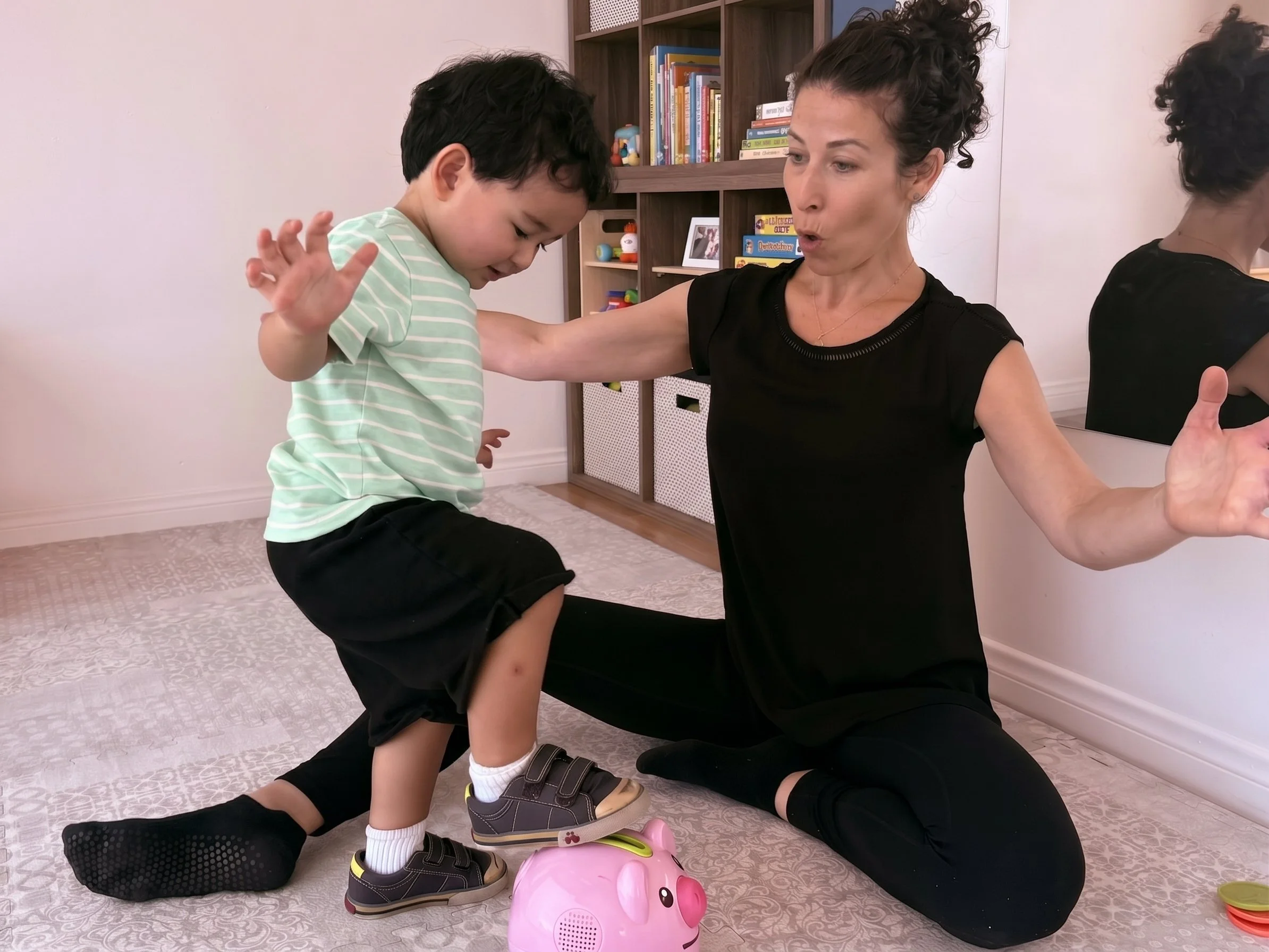
NPR, Take Two:
California school takes a stand on sitting with new desks
Alex Cohen, A Martínez, and Francine Rios | Take Two | November 9, 2015
An elementary school in northern California will soon be the first in the country to have standing desks in all of its classrooms.
Tracy Smith, principal of Vallecito Elementary School in San Rafael, joined the show along with Juliet Starett, who runs Standup Kids, the group that has been helping Vallecito make the transition. They told more about what this change has been like at the school. UCLA Physical Therapist Juliana Plank also gave a deeper look at standing desks for kids.
https://archive.kpcc.org/programs/take-two/2015/11/09/45156/california-school-takes-a-stand-on-sitting-with-ne/

Culver City Neighbors
August 2021
Parents corner


June 26, 2022.
Why was crawling eliminated from CDC developmental milestones?
By Juliana Plank, Doctor of Physical Therapy
I was surprised to hear that the CDC updated developmental milestones for the first time in 20 years and I was shocked that crawling was omitted as a milestone altogether.
According to the CDC, the guidelines were revised to prompt parents and pediatricians to screen for and refer infants to early intervention as soon as the delay is identified. The criteria for the new guidelines were established in 2017, pre Covid-19, and according to the CDC, do not take the impact of mask measures and stay at home guidelines into account. The new milestones are based on the idea that 75% of children achieve that milestone by a particular age. Previous milestones were established based on 50% of children achieving the milestone by the particular age. Previous guidelines often led parents to learn that their child was technically “delayed” relative to age matched peers, but were often encouraged to “give it time” to see if their baby could catch up.
According to the CDC, the new guidelines are meant to be more straightforward. If your child has not achieved a milestone by a certain age, go straight to early intervention, don’t wait and see. A more straightforward pathway of when to start early intervention sounds like a promising idea. But why was crawling eliminated as a milestone all together? I was so curious, I had to find out more.
The new CDC guidelines eliminated a total of 216 milestones, including crawling. This accounts for 56.6% of milestones that were included in previous guidelines.
New guidelines were based on commonly used screening and evaluation tools as well as "published clinical opinion." According to The American Academy of Pediatrics article, Evidence-Informed Milestones for Developmental Surveillance Tools, published in March 2022, Crawling was eliminated because "little/no normative data regarding when the milestone/part of the milestone should be achieved by 75% of children.”(1) In other words, although crawling is included in well regarded evaluation tools there is no empirical evidence to support the idea that 75% of children crawl. But is there evidence to support that 75% of 9-month old's sit? Or that 18-month old's climb on and off of adult furniture independently? Not that I am aware of.
So that led me to, what kind of “empirical evidence” do we have about crawling? Studies show crawling impacts how a child holds a pencil at age 5, improves a child’s postural control and improves memory retrieval in new environments. Although the peer reviewed information about crawling is limited, the evidence that crawling does provide positive functional gains is out there.
In my opinion, crawling should be included in the CDC guidelines. It meets the criteria to be included in assessment tools, and the small amount of evidence we have about it is positive. I don’t see evidence about 75% of children achieving all of the other milestones that the CDC did include.
So what does this mean for parents? I urge parents to take this omission from the CDC with a grain of salt and to consider the potential benefits of crawling including building shoulder stability, abdominal and hip strength, hand eye coordination and joint stability. Ultimately, parenting is about balancing unreasonable expectations with your hopes and dreams for your child. If you are concerned your child is not crawling, reach out to your pediatrician or a physical therapist to help determine why they are not crawling and to discuss how to encourage crawling.
My hope, is that professional outrage to protect and promote this skill will lead to further studies about the benefits and effects and percentage of children who crawl. In the meantime, we continue to rely on the CDC for the best practices about development, mask wearing, social distancing and vaccinations. As parents, we can incorporate their perspectives into how we view our children and the world but we should not use these guidelines in lieu of our own best judgement. Crawling is an essential skill for development and it will have its moment to shine in the future.
Learn more about Juliana Plank at PlankPT.com
1 https://publications.aap.org/pediatrics/article/149/3/e2021052138/184748/Evidence-Informed-Milestones-for-Developmental
2 Franzsen, D. and Visser, M. (2010). The Association of an Omitted Crawling Milestone with Pencil Grasp and Control in Five- and Six-Year-Old Children. South African Journal of Occupational Therapy 40(2), 20.
3 Nichols, D. (2005). Development of postural control. In Jane Case-Smith (Ed.), Occupational therapy for children, 5th edition (p. 279). St. Louis, MO: Elsevier Mosby.
4 https://pubmed.ncbi.nlm.nih.gov/17286842/

